
Bull Ant (Myrmecia)
Bull Ants are one of Australia’s most aggressive and well-known ant species and are commonly encountered in bushland and outdoor areas around Canberra. Due to their large size, territorial behaviour, and extremely painful sting, they can pose a serious risk to people and pets if nests are disturbed. Effective Bull Ant Pest Control focuses on correct identification, understanding nesting behaviour, and professional treatment to reduce safety risks.
ACT Pest Control provides professional services Canberra residents can rely on. Our treatments are designed to manage activity safely while minimising the risk of stings around homes, workplaces, and outdoor environments through expert pest control.
Appearance of the ant
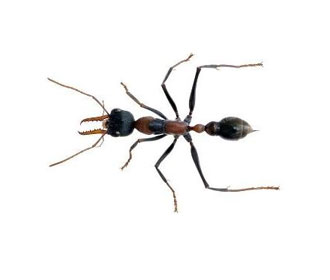
These insects are among the largest species in Australia, measuring approximately 18 to 20 millimetres in length. They are easily recognisable due to their size and robust build. They tend to be red or black in colour, although some individuals may display combinations of both.
Their large mandibles and prominent eyes give them a distinctive appearance that sets them apart from smaller household ants. Because of their size and aggressive behaviour, correct identification is essential for effective pest removal.
Life cycle
The process begins when a queen establishes a new nest. She digs a small chamber in the soil where she lays her eggs. Each colony typically has one queen, responsible for laying all eggs, along with one or a small number of males whose role is to mate with the queen.
These ants undergo four life stages: egg, larva, pupa, and adult. Eggs hatch into small grubs, which develop into specific castes within the colony. Most individuals become worker ants, while others develop into soldier ants. Almost every ant is born female, with males produced primarily for reproduction.
The queen can live for several years, allowing colonies to persist long-term if not properly addressed by Bull Ant Pest Control.
Colony structure and caste system
Each colony has a clearly defined caste system. Worker ants are responsible for foraging, nest maintenance, and caring for larvae. Soldier ants assist with defence and protection of the nest.
The queen’s sole role is reproduction, while male ants mate with the queen and play no further role in colony maintenance. This structured division of labour contributes to the colony’s efficiency and defensive capability. Understanding this structure is important for effective pest control, as eliminating visible workers alone does not resolve the infestation.
Habits and nesting behaviour
These ants typically nest outdoors, preferring soil-based environments. Common nesting locations include garden beds, lawns, bushland, and areas under logs and rocks. Nests may be marked by a small mound or disturbed soil near the entrance.
They are most commonly found in bushy or semi-natural areas and seldom enter buildings. However, nests located close to homes, pathways, or outdoor living areas can pose a significant safety hazard. Because they are highly territorial, if a nest is disturbed, they respond with a massive retaliatory attack. Professional Bull Ant Pest Control is essential when nests are located near human activity.
Feeding behaviour
These predators feed on a variety of food sources. Their diet includes other insects, which they hunt actively, as well as honeydew produced by scale insects and plant nectar. This feeding behaviour means activity is often observed in gardens and natural environments where prey and vegetation are abundant. To manage their presence, professional pest removal is often required to ensure the area remains safe.
Sting risks and safety concerns
They are capable of delivering an extremely painful sting. Unlike bees, the stinger does not remain in the victim, allowing the ant to sting repeatedly. Stings can cause intense pain, swelling, and discomfort. In some individuals, stings may trigger allergic reactions requiring medical attention.
Children, pets, and outdoor workers are particularly at risk if nests are disturbed. Because of these risks, DIY treatment or nest disturbance is strongly discouraged. Professional pest control ensures nests are managed safely and effectively.
Why infestations persist
Colonies can persist for many years due to the long lifespan of the queen. Because nests are often located outdoors and away from direct human observation, infestations may go unnoticed until activity increases.
Incorrect treatment methods may provoke aggressive behaviour without resolving the infestation. Effective Bull Ant Pest Control requires targeted treatment strategies designed to neutralise the nest safely.
Our approach to management
ACT Pest Control provides reliable services Canberra property owners trust through a structured and safety-focused approach. We begin with an inspection to locate nests, assess activity levels, and identify risk areas.
Treatments are applied strategically to manage colony activity while minimising risk to people, pets, and surrounding environments. Our pest removal methods focus on long-term results rather than temporary suppression. All treatments are carried out in accordance with safety and environmental regulations.
Preventing future activity
Preventative measures play an important role in long-term results. Reducing suitable nesting environments, managing garden debris, and limiting access to soil near buildings can help discourage nest establishment. Our technicians provide tailored advice specific to Canberra properties to support prevention and risk reduction after performing Bull Ant Pest Control.
When to seek professional help
If a nest is present near your home, workplace, or outdoor areas, professional services are strongly recommended. Early intervention reduces sting risk and prevents colonies from becoming a long-term hazard. ACT Pest Control services Canberra and surrounding suburbs, providing dependable pest control for residential and commercial properties.
Contact ACT Pest Control
If you are concerned about activity on your property, ACT Pest Control is ready to assist. We provide professional inspections and effective results Canberra residents trust for safe and reliable protection.
Call 1300 022 122 or email info@actpestcontrol.com.au to request a quote or arrange an inspection.
We service the ACT and surrounding areas
Belconnen
Canberra City
Dickson
Fyshwick
Gungahlin
Hume
Jerrabomberra
Kingston
Kippax (Holt)
Majura
Manuka
Mitchell
Queanbeyan
Tuggeranong
Weston Creek
Woden Valley


