
Bed Bugs Control
- Home
- Bed Bugs Control
We exterminate seven pests in one treatment when we spray your home for spiders
Bed Bugs – Pest Control Services in Canberra
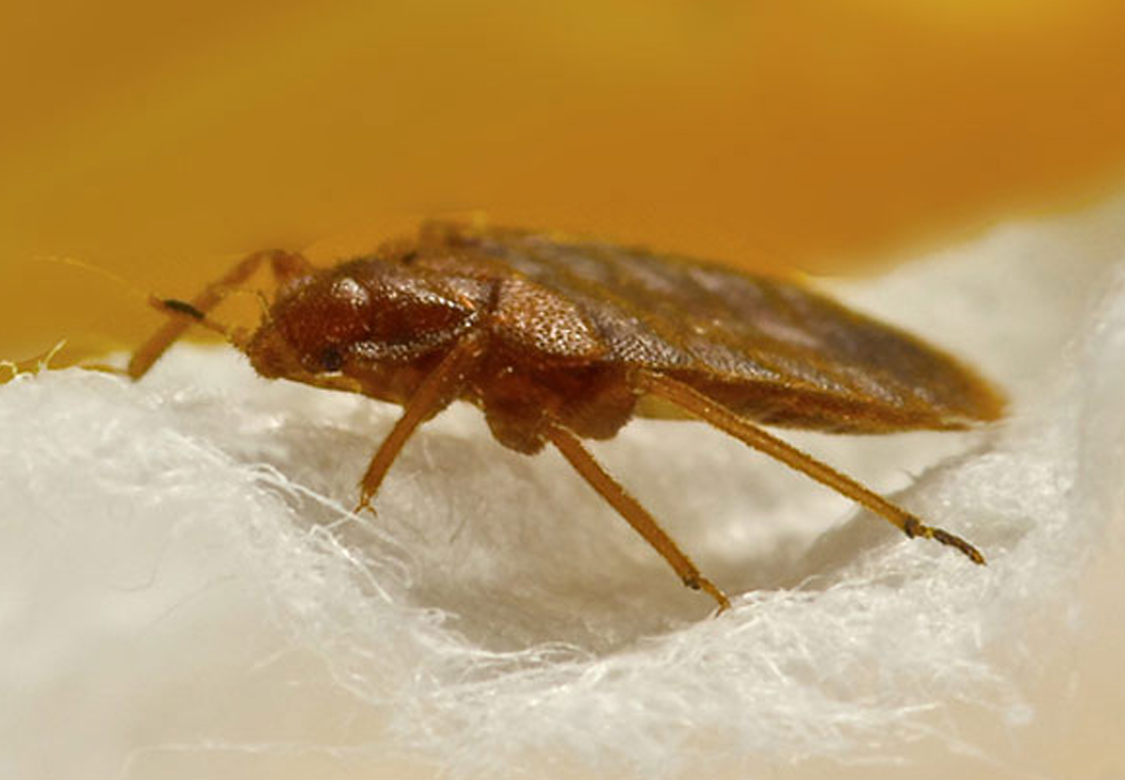
Bed Bugs are nocturnal, blood-sucking insects that take an interest in sleeping humans. Bed bugs usually bite and feed in the early hours of the morning, leaving itchy bite marks on their victims. In Australia, pest controllers commonly encounter two species of bed bugs: Cimex lectularis and Cimex hemipterus. ACT Pest Control provides fast, affordable bed bug pest control Canberra residents can rely on.
Which bed bug species are found in Canberra?
Cimex lectularis is the main bed bug species found in Canberra. However, Cimex hemipterus — typically found in tropical parts of Australia — is frequently transported to Canberra by returning travellers and interstate or international visitors. This makes professional bed bug pest control Canberra services essential for effective eradication.
📞 REQUEST A QUOTE
1300 022 122
Get to know more about Bed Bugs
Are bed bugs harmful to humans?
Not really. Bed bugs aren’t known to carry serious diseases, but their bite can cause an allergic reaction in some people. Prompt treatment through professional pest control services in Canberra helps reduce irritation and prevent infestations from spreading.
When do bed bugs breed?
As an “interior” pest, bed bugs generally breed all year round. A female bed bug can lay hundreds of eggs over a two-month period, which is why early bed bug pest control Canberra intervention is important.
How do bed bugs enter your home?
Bed bugs are “hitchhikers” that latch onto people, luggage, clothing, and second-hand furniture. You, your family, and friends are often the unwitting carriers. This is one of the most common reasons bed bug pest control Canberra services are required after travel.
What are the signs of a bed bug infestation?
A bed bug infestation is usually easy to spot:
- You’ve seen bed bugs (usually around 5mm in size) in your bedroom
- An unpleasant smell — similar to rotting raspberries — lingers
- Bite marks appear after waking
- Small dark stains (bed bug excrement) are visible on bedding
- Small blood patches appear on sheets
- Shed skins are discovered
What can I do to minimise bed bugs in my home?
Some targeted housekeeping can reduce the likelihood of bed bugs:
- Examine mattresses and bed frames regularly
- Vacuum bedrooms thoroughly
- Wash bedding weekly in hot water
- Inspect second-hand beds and mattresses carefully
- Repair cracks and crevices in walls
- Keep cupboards and wardrobes tidy
In addition to good hygiene, it’s advisable to leave suitcases in the garage or bathroom overnight after travelling to help identify bed bugs early.
How are bed bugs eradicated?
Effective eradication requires a professional understanding of bed bugs, including their habits and life cycle, and the application of an appropriate insecticide. DIY treatments are often ineffective.
If you suspect bed bugs, contact ACT Pest Control on 1300 022 122 to discuss treatment options. Our pest control services in Canberra are affordable, discreet, and highly effective.
We service the ACT and surrounding areas
Belconnen
Canberra City
Dickson
Fyshwick
Gungahlin
Hume
Jerrabomberra
Kingston
Kippax (Holt)
Majura
Manuka
Mitchell
Queanbeyan
Tuggeranong
Weston Creek
Woden Valley

Quick links
News & Blog
February 17, 2026

February 9, 2026

September 28, 2025
Social media
Copyright © 2026 ACT Pest Control.