
Argentine Ant Control
- Home
- Argentine Ant Control
Argentine Ant (Linepithema Humile)
The Argentine Ant is one of the most invasive and persistent ant species affecting properties across Canberra. Known for its ability to form large interconnected colonies and displace other ant species, this ant can quickly become a serious nuisance in residential, commercial, and landscaped environments. Effective Argentine Ant Control requires specialised treatment methods that address colony structure rather than just surface activity.
ACT Pest Control provides professional services Canberra residents and businesses can rely on. Our treatments are designed to manage infestations safely while targeting the unique behaviours that make this species difficult to eliminate through expert pest control.
Appearance of the species
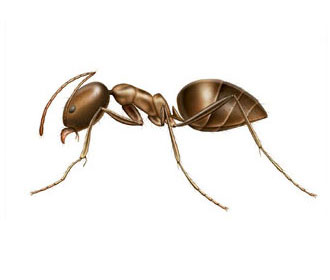
Workers are small, measuring approximately 2 millimetres in length. They range from light to dark brown in colour and have a slender, uniform appearance. Unlike some species, they do not swarm, which can make their presence less obvious during early stages of infestation.
They are capable of biting but do not sting, although large numbers can still cause discomfort. Because of their small size and similarity to other ants, professional identification is often required to ensure correct pest removal is applied.
Life cycle
The developmental cycle is closely linked to seasonal conditions. Worker ants are produced in spring, with numbers increasing steadily through summer and into autumn as colonies expand. Reproductive ants, including winged kings and queens, are produced in early spring, often before worker numbers peak.
These reproductive ants mature within approximately three months and mate shortly afterwards. Unlike many other ants, they mate within the nest, meaning no visible swarming occurs. This behaviour allows colonies to expand quietly and continuously, making infestations harder to detect and control. Understanding this life cycle is critical for effective Argentine Ant Control, as treatment timing plays a significant role in long-term success.
Colony structure and spread
These ants are known for forming large, interconnected colonies, sometimes referred to as supercolonies. These colonies can extend across multiple properties and contain numerous nesting sites. Because workers freely move between nests, eliminating a single nest does not resolve the infestation.
This interconnected structure is one of the primary reasons pest control is challenging and requires professional intervention. Colonies can relocate rapidly in response to disturbance, spreading further into surrounding areas if treatments are not applied correctly.
Habits and behaviour
Workers will follow food trails over long distances, often travelling well beyond their nesting locations. As a result, nests are rarely located close to where ants are seen foraging. They have a strong preference for sweet foods, but their diet also includes live and dead insects, meats, cereals, and damaged fruit.
This broad diet allows them to thrive in both indoor and outdoor environments. Their aggressive foraging behaviour enables them to drive out other species from an area, disrupting local ecosystems. Professional pest removal is necessary to reclaim spaces once they have become dominant.
Why infestations persist
Infestations persist because of their unique colony structure and ability to relocate. DIY treatments typically target visible ants but fail to impact the broader colony network. Incorrect treatment can cause colonies to split and spread further, increasing infestation size. Effective Argentine Ant Control services focus on suppressing colony activity at multiple points rather than surface-level control.
Risks associated with the species
While they do not sting, their large population size can create hygiene issues, contaminate food areas, and disrupt outdoor living spaces. In commercial environments, infestations can affect operations, particularly in food-related industries. Their ability to displace native ant species also presents environmental concerns, especially in landscaped and bush-adjacent areas common around Canberra. Professional pest control is the best way to mitigate these risks.
Our approach to management
ACT Pest Control delivers reliable Argentine Ant Control Canberra property owners trust through a structured and methodical approach. We begin with a detailed inspection to assess infestation extent, foraging patterns, and potential nesting zones.
Treatments are applied strategically to disrupt colony networks and reduce reproduction. Rather than relying on surface sprays, we use targeted methods designed to reach multiple nesting locations and suppress long-term activity. Our approach prioritises effectiveness, safety, and long-term results.
Preventing future activity
Successful pest removal includes preventative strategies to reduce attractants and nesting opportunities. Managing food sources, reducing moisture, sealing entry points, and maintaining clean outdoor areas all help limit reinfestation. Our technicians provide tailored advice specific to Canberra properties, supporting ongoing protection against activity.
When to seek professional help
If activity is persistent or spreading across your property, professional services are strongly recommended. Early intervention helps prevent colony expansion and reduces long-term treatment requirements. ACT Pest Control services Canberra and surrounding suburbs, providing dependable pest control for residential and commercial properties.
Contact ACT Pest Control
If you are dealing with an infestation, ACT Pest Control is ready to assist. We provide professional inspections and effective Argentine Ant Control Canberra residents and businesses trust for lasting results.
Call 1300 022 122 or email info@actpestcontrol.com.au to request a quote or arrange an inspection.
We service the ACT and surrounding areas
Belconnen
Canberra City
Dickson
Fyshwick
Gungahlin
Hume
Jerrabomberra
Kingston
Kippax (Holt)
Majura
Manuka
Mitchell
Queanbeyan
Tuggeranong
Weston Creek
Woden Valley

Quick links
News & Blog

September 28, 2025

September 28, 2025

September 28, 2025
Social media
Copyright © 2026 ACT Pest Control.